What is Backhaul Optimization in Supply Chain?
Transportation is one of the largest cost components in supply chain operations. Yet, many logistics networks still suffer from a common inefficiency—empty return trips.
After delivering goods, trucks often return to warehouses without carrying any cargo. These empty miles increase fuel costs, reduce fleet productivity, and create unnecessary environmental impact.
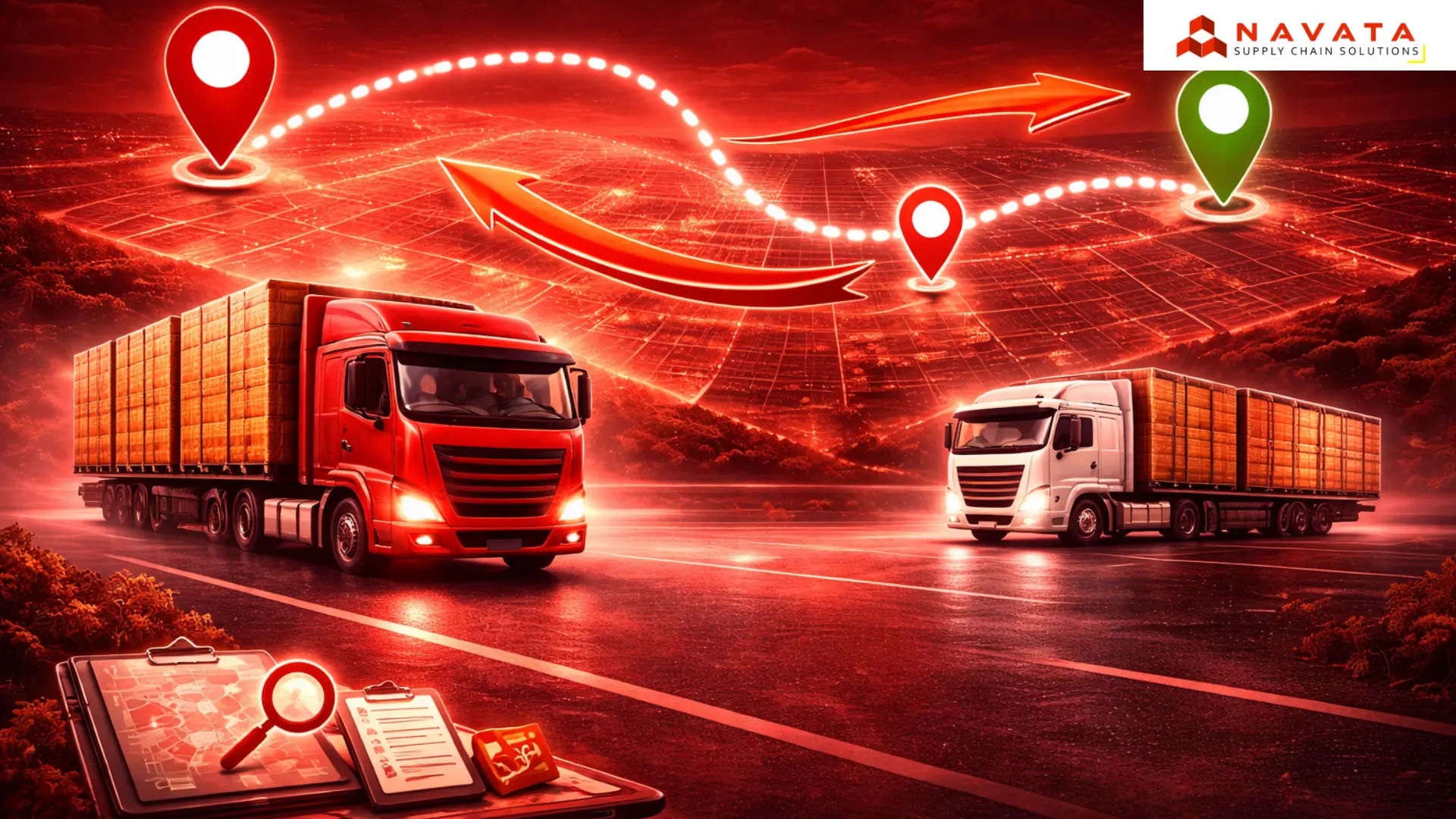
Backhaul optimization solves this problem by ensuring vehicles carry loads during return journeys. By strategically planning return routes and coordinating shipments, companies can maximize vehicle utilization and reduce transportation costs.
In modern logistics networks, backhaul optimization has become a critical strategy for improving efficiency, sustainability, and supply chain profitability.
What is Backhaul Optimization?
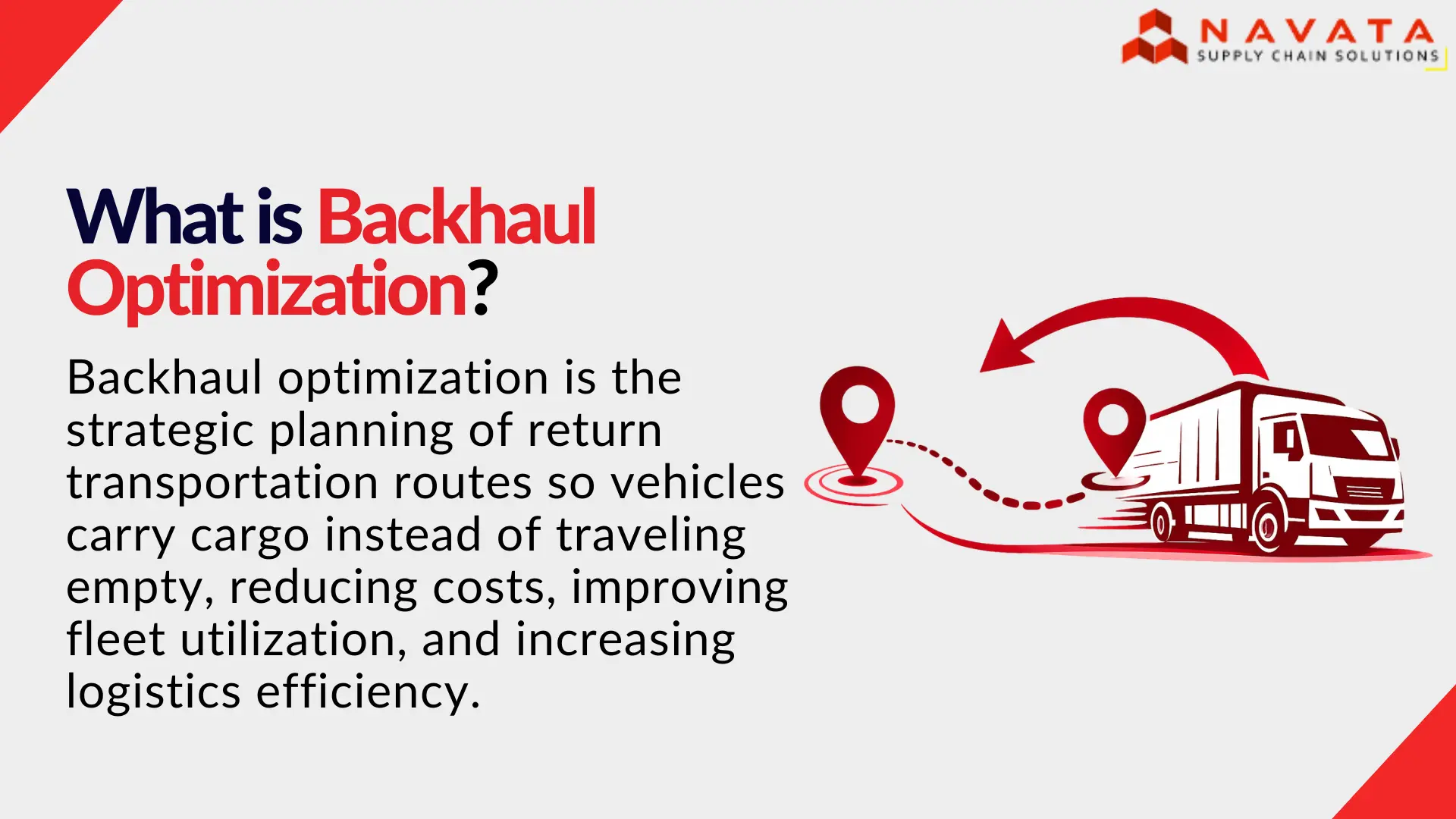
Backhaul optimization refers to the strategic planning of return transportation routes to ensure vehicles carry goods instead of traveling empty after deliveries.
In logistics operations, transportation typically includes two stages:
Outbound logistics – delivering goods from warehouses to customers or distribution centers
Inbound logistics (backhaul) – the return trip of vehicles
Without optimization, vehicles return empty, which is known as deadheading or empty miles.
Backhaul optimization ensures that trucks pick up shipments during the return trip, improving transportation efficiency.
Example of Backhaul Optimization
Consider a logistics company delivering FMCG products from Hyderabad to Vijayawada.
Without backhaul planning:
Truck delivers goods to retail hubs
Returns empty to the warehouse
Fuel, driver time, and vehicle capacity are wasted
With backhaul optimization:
Truck delivers FMCG products
Picks up agricultural goods or supplier shipments from Vijayawada
Returns with cargo to the warehouse
This creates a two-way revenue-generating route, improving efficiency.
Why Backhaul Optimization is Important in Supply Chains?
1. Reduces Empty Miles
Empty miles increase operational costs without generating revenue. Backhaul optimization minimizes these trips by utilizing return routes for shipments.
2. Improves Fleet Utilization
Instead of using vehicles only for outbound deliveries, companies maximize the productivity of their transportation assets.
3. Lowers Transportation Costs
By combining outbound and return shipments, companies reduce:
fuel expenses
driver costs
per shipment transportation cost
4. Supports Sustainable Logistics
Reducing empty miles decreases fuel consumption and carbon emissions, helping companies meet sustainability goals.
5. Improves Supply Chain Efficiency
Better route coordination ensures smoother movement of goods between suppliers, warehouses, and customers.
Key Metrics Used in Backhaul Optimization
Logistics companies measure the success of backhaul strategies using several metrics.
| Metric | Description |
|---|---|
| Empty Miles | Distance traveled without cargo |
| Backhaul Rate | Percentage of return trips with loads |
| Fleet Utilization | Percentage of vehicle capacity used |
| Cost per Mile | Transportation cost efficiency |
| Carbon Emissions | Environmental impact of operations |
Monitoring these metrics helps companies continuously improve logistics performance.
Strategies for Effective Backhaul Optimization
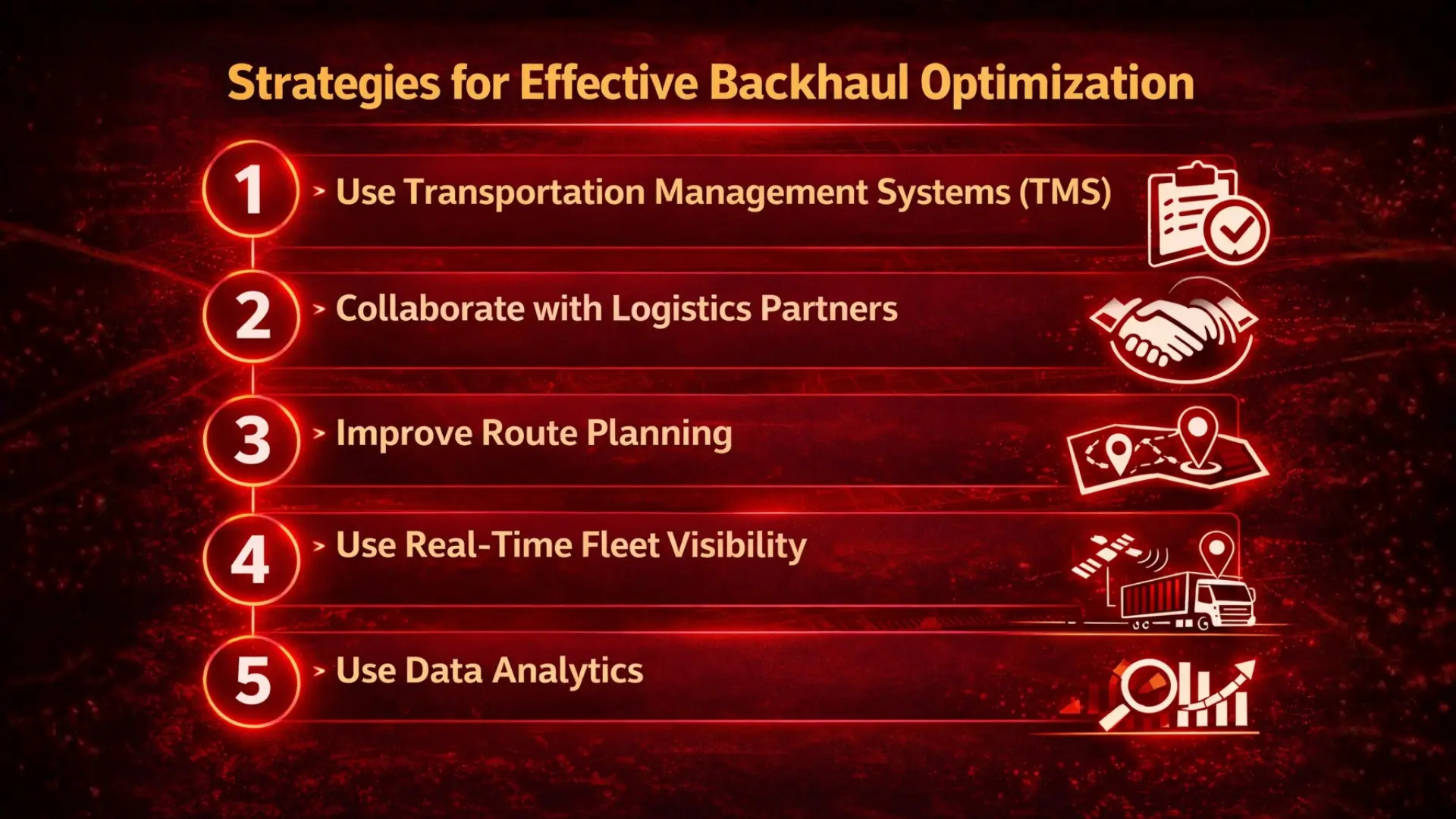
1. Use Transportation Management Systems (TMS)
TMS platforms help logistics teams plan routes and identify backhaul opportunities by analyzing shipment data and vehicle availability.
2. Collaborate with Logistics Partners
Companies can collaborate with suppliers, distributors, or third-party logistics providers to share transportation capacity.
3. Improve Route Planning
Advanced route optimization tools help design efficient routes that include return shipments.
4. Use Real-Time Fleet Visibility
GPS tracking and telematics systems allow logistics managers to identify available vehicles and assign return loads quickly.
5. Use Data Analytics
Transportation data analysis helps identify routes with frequent empty miles and optimize them over time.
Challenges in Backhaul Optimization
Despite its advantages, companies may face several challenges when implementing backhaul strategies.
Limited shipment visibility
Without real-time data, identifying return loads can be difficult.
Coordination complexity
Backhaul planning requires coordination between multiple supply chain partners.
Demand variability
Return shipments may not always be available in certain regions.
Technology integration
Implementing route optimization and fleet management systems requires investment.
Role of Technology in Backhaul Optimization
Modern logistics technologies are transforming backhaul planning.
Key tools include:
Route Optimization Software
Fleet Tracking Systems
AI-based logistics analytics
These technologies enable companies to identify backhaul opportunities, optimize routes, and improve supply chain efficiency.
Future of Backhaul Optimization
The future of backhaul optimization will be driven by advanced technologies such as:
Artificial Intelligence (AI) for predictive route planning
Machine Learning (ML) for demand forecasting
IoT sensors for real-time shipment tracking
Autonomous logistics systems
These innovations will allow supply chains to dynamically plan transportation routes and further reduce inefficiencies.
Conclusion
Backhaul optimization plays a crucial role in modern supply chain management. By reducing empty miles and improving fleet utilization, companies can lower transportation costs, increase operational efficiency, and support sustainable logistics practices.
As supply chains become more complex and customer expectations continue to rise, businesses that implement smart backhaul strategies will gain a significant competitive advantage.
Through the use of advanced technology, data-driven planning, and collaboration across logistics networks, organizations can transform return trips from a cost burden into a strategic opportunity.
Thanks For Reading: Backhaul Optimization in Supply Chain: Definition, Benefits, Strategies & Examples
Powered By 360Presence